Quantitative analysis framework development is a powerful approach to creating structured systems that help businesses and researchers analyze numerical data. It provides a clear structure for collecting data, measuring results, and finding valuable patterns. A strong quantitative analysis framework helps organizations make better decisions by using facts, statistics, and measurable evidence. In modern industries, data plays a major role in planning and growth. Companies need reliable methods to understand customer behavior, financial trends, and operational performance. A well-developed framework turns complex information into simple insights that support better strategies. Through proper planning and analysis, organizations can improve efficiency, reduce uncertainty, and create stronger solutions for future challenges.
The growing importance of data has made the development of quantitative analysis frameworks a necessary part of modern decision-making. Businesses collect large amounts of information from different sources every day. This information can include sales records, customer feedback, market activity, and financial reports. Without a structured system, it becomes difficult to identify useful patterns. A strong framework organizes information and creates a repeatable process for analysis. It allows teams to focus on important factors and use data more effectively.
The Role of Quantitative Analysis Frameworks in Modern Organizations
Quantitative analysis frameworks provide organizations with a reliable method for studying measurable information. These frameworks help teams understand what is happening, why changes occur, and what actions may create better results. Instead of depending only on personal opinions, companies can use data to support their decisions. This creates a more accurate and balanced approach to problem-solving.
Another important role is supporting prediction and planning. Organizations can use historical data and current trends to estimate possible future outcomes. This allows businesses to prepare for market changes, customer needs, and financial challenges. Forecasting becomes more effective when a strong analytical structure supports it.
A well-designed framework also improves teamwork. When departments follow the same analytical process, they can share information more easily. This creates better communication and helps everyone work toward common goals. Developing a quantitative analysis framework creates a foundation for smarter collaboration and better decision-making.
Essential Components of a Successful Analytical Framework
A successful quantitative analysis framework includes several important components that work together. The first component is a clear research objective. Organizations must understand what they want to achieve before beginning the analysis process. Clear goals help determine what information is needed and which methods should be used.
Data collection is another major component. Accurate analysis depends on reliable information. Organizations should collect data from trusted sources and ensure that it is complete and relevant. Poor data quality can create incorrect results and lead to weak decisions. Proper data management is necessary to create reliable insights.
Methods for finding patterns. This step improves the reliability of outcomes.
Advanced data analysis structures help organizations create stronger connections between information and business goals. These structures allow teams to study complex data more effectively and develop useful solutions. A complete framework combines all these components to create a smooth and effective analytical process.
Steps for Developing an Effective Quantitative Analysis System
Developing an effective quantitative analysis system requires careful planning and a clear process. The first step is identifying the main purpose of the analysis. Organizations need to define the problem they want to solve or the information they want to discover. This creates a strong starting point for the entire framework. The next step is applying analytical methods. Analysts use statistical tools, models, and techniques to study the collected information. They look for patterns, relationships, and trends that can provide useful insights. These findings help organizations understand current situations and possible future changes.
After completing the analysis, organizations must interpret the results. Numbers alone do not create value unless they are connected to practical actions. Teams need to understand what the results mean and how they can improve business performance. The final step is to review and improve the system. A quantitative framework should change as new information becomes available. Regular updates help maintain accuracy and ensure that the system continues to meet organizational needs.
Technology’s Impact on Quantitative Analysis Development
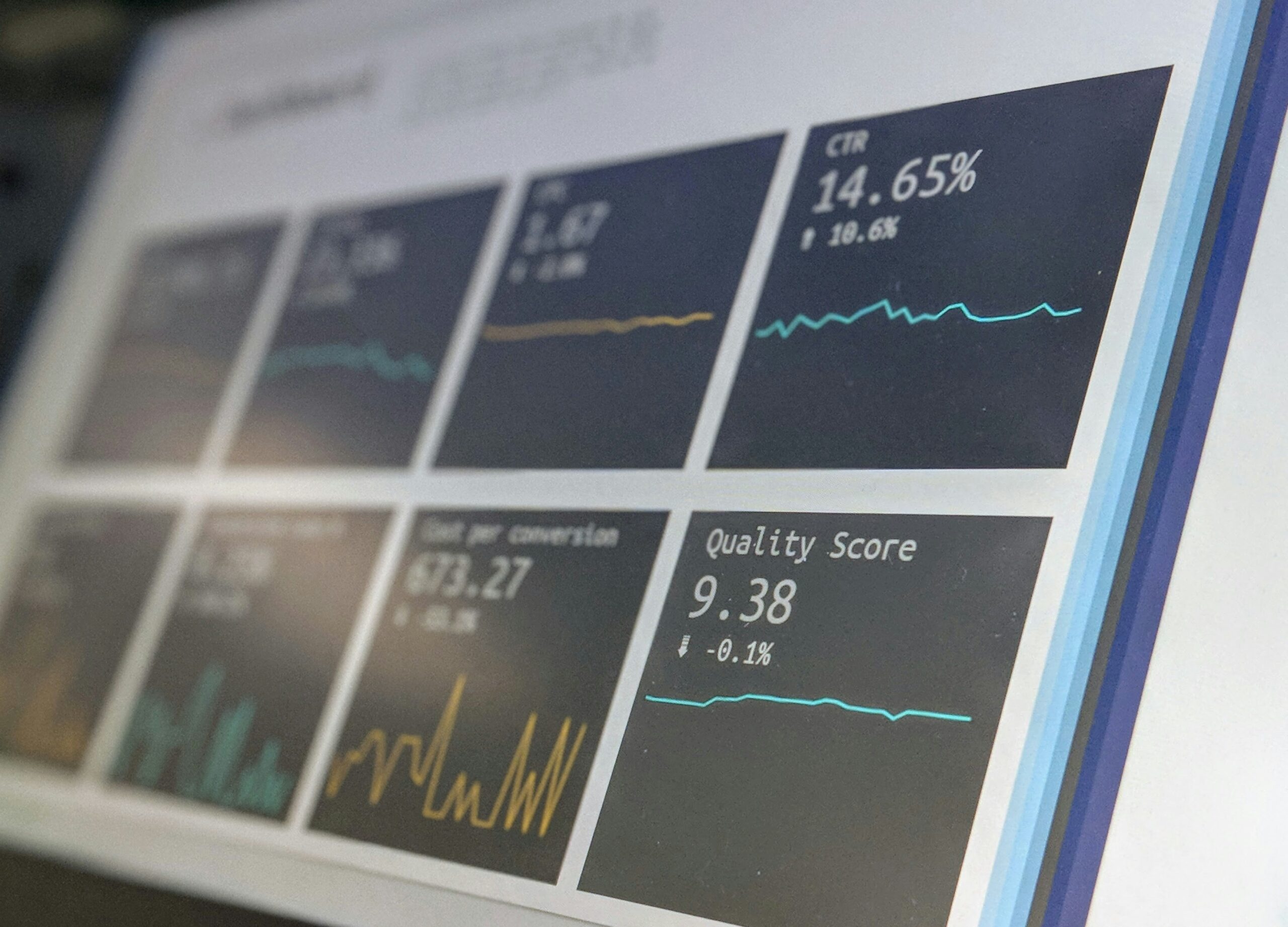
Technology has significantly improved the development of quantitative analysis frameworks. Modern tools allow organizations to collect, process, and analyze information faster than traditional methods. These tools make complex tasks easier and help teams discover valuable insights from large datasets. Data analytics platforms provide powerful features for reporting and visualization. Businesses can create dashboards that display important information in a simple format. These visual tools help leaders understand trends and make faster decisions. Clear reports improve communication between analysts and decision-makers.
Artificial intelligence and machine learning have also expanded the possibilities of quantitative analysis. These technologies can identify patterns, recognize trends, and support future predictions. They help organizations analyze information that may be too complex for traditional methods.
Improving Quantitative Analysis Frameworks for Long-Term Growth
Organizations must continue improving their quantitative analysis framework development methods to remain effective. Data environments change constantly, and businesses need flexible systems that can adapt to new conditions. Regular improvements help maintain accuracy and create better results over time. One important improvement is developing stronger data management practices. Organizations should create clear processes for collecting, storing, and reviewing information. Better management creates a stronger foundation for analysis and improves overall reliability.
Regular evaluation is necessary for maintaining success. Organizations should compare analytical results with actual outcomes and identify areas for improvement. This process helps refine methods and increase accuracy. Strategic quantitative intelligence frameworks allow organizations to develop stronger analytical systems that support innovation and growth. By combining reliable data, effective methods, modern technology, and continuous improvement, businesses can create powerful frameworks that improve decisions and provide valuable insights for long-term success.