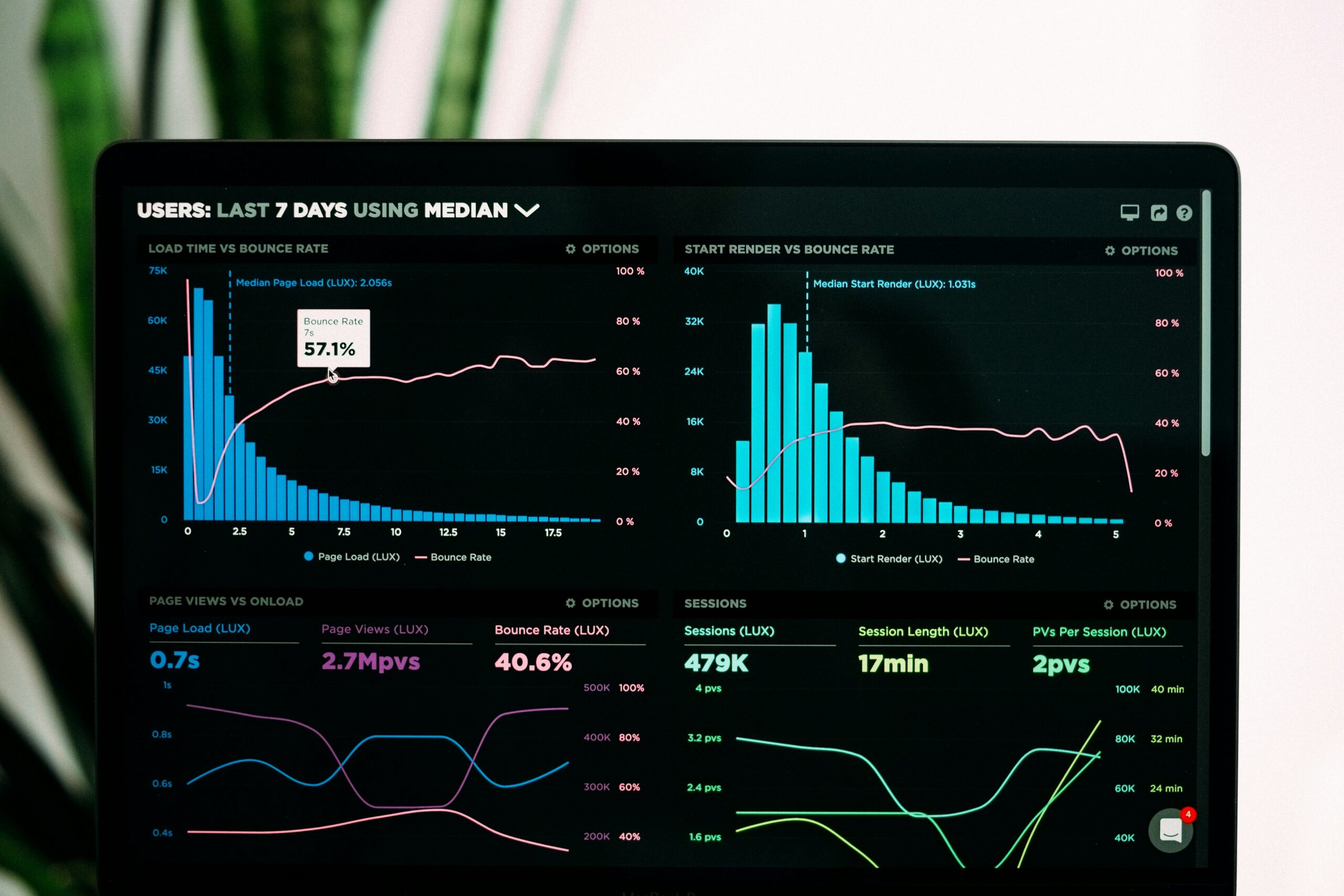
Portfolio management has become more complex than ever. Investors no longer rely only on intuition or simple spreadsheets. Instead, they use structured systems to understand performance, risk, and opportunity in real time. This is where portfolio analytics framework development plays a major role.
A well-designed framework helps investors see the full picture of their holdings. It shows how assets interact, how risk spreads across investments, and how returns change under different market conditions. As a result, decision-making becomes clearer and more strategic.
Moreover, financial markets move quickly. Therefore, investors need tools that help them respond with confidence rather than guess. A strong analytics framework supports this need by turning raw data into meaningful insights.
Building the Foundation With Clear Investment Goals
Before any technical design begins, investors must define clear goals. Without direction, even the best system can produce confusing results. So, teams start by asking simple but important questions. What does success look like? Are they aiming for growth, income, or capital protection?
Once goals are clear, the framework becomes easier to shape. For example, a retirement-focused portfolio may prioritize stability and steady income. In contrast, a growth-focused portfolio may accept higher volatility for stronger returns.
In addition, clear goals help align all stakeholders. Portfolio managers, analysts, and advisors can all work with the same expectations. This reduces miscommunication and improves consistency across decisions.
Organizing Data for Accurate Analysis
Data forms the backbone of any analytics system. However, raw financial data often comes from multiple sources and in different formats. Therefore, organizations must first clean and organize this information.
They typically collect data from trading platforms, market feeds, and internal records. Then, they standardize it to ensure consistency. This step matters because even small errors can lead to misleading insights.
After that, teams structure the data into usable categories such as asset type, sector, region, and risk level. This organization enables analysts to identify patterns and relationships quickly.
Transitioning raw data into structured insights lays a strong foundation for deeper analysis. As a result, investors can trust the information they use for decision-making.
Measuring Performance With Meaningful Metrics
Once the data is ready, the next step focuses on performance measurement. Investors often track returns, volatility, and benchmark comparisons. However, numbers alone do not tell the full story.
Therefore, a strong framework uses multiple metrics together. For example, it may compare portfolio returns against market indices while also measuring risk-adjusted performance. This approach provides a more balanced view.
In addition, tracking performance over time helps identify trends. Investors can see whether strategies perform better or worse under changing market conditions. This insight supports continuous improvement.
Furthermore, consistent reporting allows stakeholders to stay informed. Clear dashboards and summaries make complex data easier to understand, especially for non-technical users.
Understanding Risk Through Advanced Modeling
Risk analysis plays a critical role in developing a portfolio analytics framework. Without it, investors may underestimate potential losses or exposure.
To manage this, analysts use models that simulate different market scenarios. These models test how portfolios react to changes in interest rates, inflation, or market downturns. As a result, investors gain a clearer understanding of possible outcomes.
Additionally, diversification analysis helps measure how assets interact with one another. If too many investments move in the same direction, risk increases. On the other hand, a well-diversified portfolio can reduce volatility.
Transition words like “therefore” and “as a result” become important here because they show cause and effect in financial decisions. This makes risk reports easier to interpret and act upon.
Using Technology to Strengthen Decision-Making
Modern portfolio systems rely heavily on technology. Advanced tools process large amounts of data quickly and accurately. As a result, investors receive real-time insights instead of delayed reports.
Artificial intelligence and machine learning also play an increasingly important role. These technologies detect patterns that humans might miss. For example, they can identify early signals of market shifts or unusual asset behavior.
Moreover, automation reduces manual work. Analysts spend less time gathering data and more time interpreting results. This shift improves efficiency and reduces errors.
However, technology alone is not enough. Human judgment still guides final decisions. Therefore, the best frameworks combine automation with expert oversight.
Creating Actionable Reports for Better Communication
Even the best analysis loses value if people cannot understand it. Therefore, reporting becomes a key part of portfolio analytics framework development.
Effective reports focus on clarity. They highlight key insights, trends, and risks in simple language. Charts and summaries help simplify complex data.
Moreover, different stakeholders need different levels of detail. Executives may prefer high-level summaries, while analysts require deeper breakdowns. A good framework supports both needs.
Transition words such as “in addition” and “for example” help guide readers smoothly through reports. As a result, communication becomes more effective and decision-making improves.
Continuous Improvement for Long-Term Success
Portfolio analytics is not a one-time setup. Instead, it requires continuous improvement. Markets change, technologies evolve, and investment strategies shift over time.
Therefore, organizations regularly review their frameworks. They update models, refine data sources, and improve reporting methods. This keeps the system relevant and accurate.
Feedback also plays an important role. Users of the system often identify gaps or areas for improvement. Incorporating their input strengthens the overall framework.
Ultimately, continuous refinement ensures long-term success and adaptability in a changing financial environment.
Turning Data Into a Smarter Investment Strategy
A strong portfolio analytics framework transforms complex financial data into clear, actionable insights. It supports better decision-making by combining data organization, performance tracking, risk analysis, and technology.
Moreover, it helps investors stay prepared in uncertain markets. With structured insights and continuous improvement, organizations can build more stable and successful investment strategies.
As financial markets continue to evolve, the importance of smart analytics will only grow. Investors who invest in strong frameworks today will be better positioned for long-term success tomorrow.